-
cryptoinfo.site
- No Comments
- crypto basics, digital dollar, fiat-backed crypto, stable crypto, stablecoins, usdc, usdt
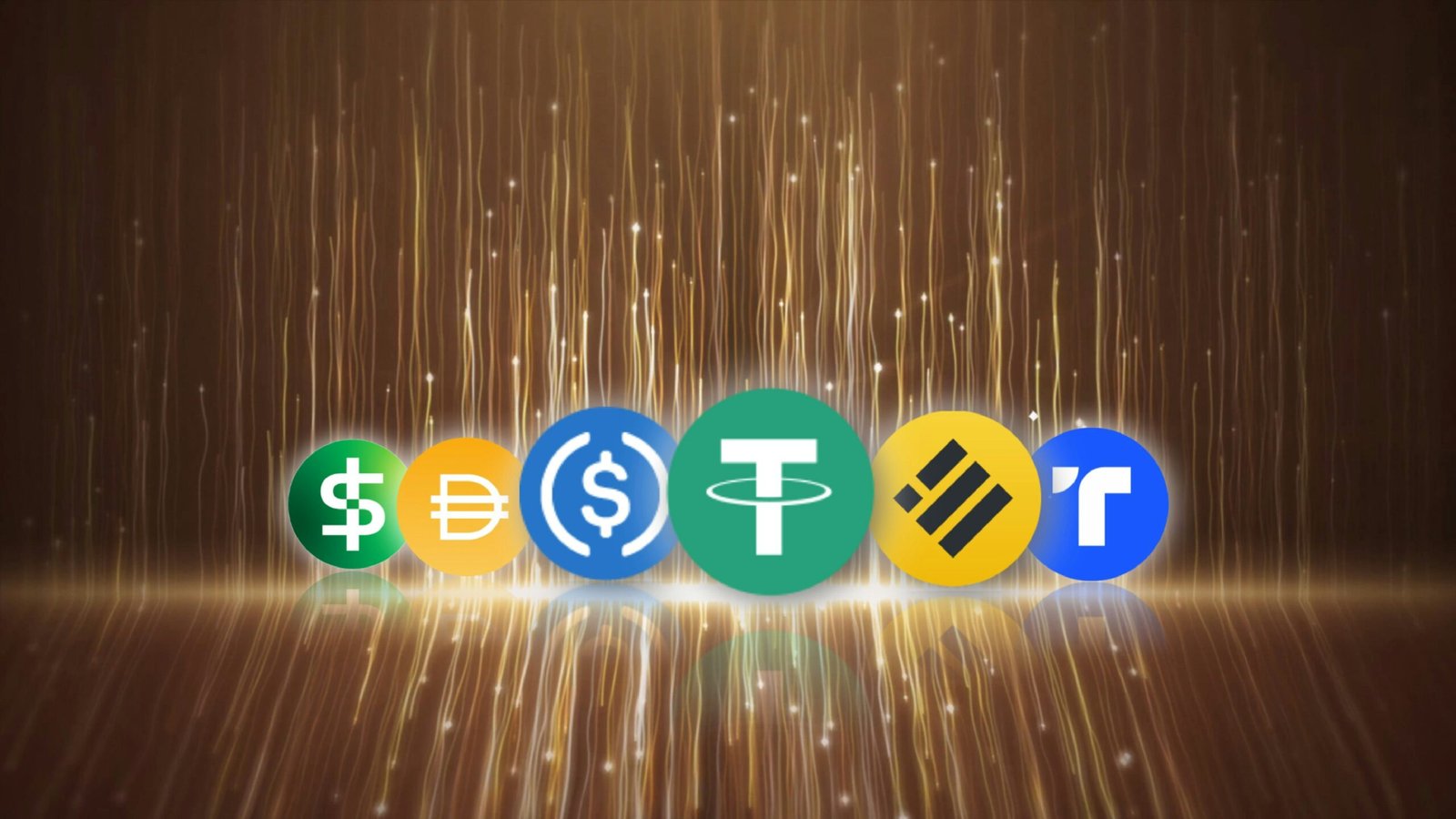
Introduction: Stablecoins — The Bridge Between Crypto and Real Money
Cryptocurrency markets are known for their extreme price volatility. Coins like Bitcoin, Ethereum, and Solana can rise or fall dramatically within days or even hours. That’s where stablecoins come in.
Stablecoins are special digital currencies designed to stay stable, usually pegged to the US Dollar (1 coin = $1). They provide stability, liquidity, and a reliable way to store value in a highly volatile crypto world.
In this complete 2025 guide, you’ll learn:
- What stablecoins are
- How they work
- Different types of stablecoins
- Why USDT, USDC, and BUSD are so important
- Risks and benefits
- How to use stablecoins
- The future of stablecoins
Let’s get started.
Chapter 1: What Is a Stablecoin? (Simple Explanation)
A stablecoin is a cryptocurrency designed to maintain a stable price.
Most stablecoins are pegged to the US Dollar:
1 USDT = $1
1 USDC = $1
1 BUSD = $1
This stability allows users to:
✔ Avoid volatility
✔ Store value safely
✔ Trade quickly
✔ Move money globally
✔ Earn passive income via staking or lending
Chapter 2: Why Were Stablecoins Created?
Crypto prices move fast, causing uncertainty. Traders needed:
✔ A safe place to store profits
(Without converting back to cash)
✔ A way to avoid volatility
✔ Easy transfers without banking delays
✔ Faster trading on exchanges
✔ Dollar-like stability inside crypto
Stablecoins became the backbone of the crypto economy.
Chapter 3: How Stablecoins Work
Stablecoins stay stable by being backed by:
- Real dollars
- Assets (cash equivalents)
- Crypto collateral
- Algorithms
This is what keeps the price close to $1.
Let’s explore the types.
Chapter 4: Types of Stablecoins
Stablecoins come in 3 major types:
1. Fiat-Backed Stablecoins (Most common)
These are backed by real-world assets such as:
- US Dollars
- Treasury bills
- Cash reserves
Examples:
- USDT (Tether)
- USDC (Circle)
- BUSD (Binance USD)
✔ Pros:
- Most stable
- High liquidity
- Trusted for trading
❌ Cons:
- Centralized
- Government regulations may affect them
2. Crypto-Backed Stablecoins
Backed by cryptocurrencies (overcollateralized).
Example:
- DAI (MakerDAO)
DAI is backed by Ethereum and other assets.
✔ Pros:
- Decentralized
- Transparent
❌ Cons:
- Can lose peg during extreme market conditions
3. Algorithmic Stablecoins
Peg maintained by algorithms and smart contracts.
Examples (some failed):
- UST (Collapsed in 2022)
- FRAX (Hybrid model)
✔ Pros:
- No collateral required
❌ Cons:
- High risk
- Can depeg easily
Chapter 5: Most Popular Stablecoins in 2025
Let’s understand each major stablecoin.
1. USDT (Tether)
The largest and most widely used stablecoin.
✔ Market leader
✔ Most liquidity
✔ Supported on nearly every exchange
✔ Pegged to USD
Used widely for trading and transfers.
2. USDC (Circle)
Known for transparency and regulation compliance.
✔ Backed by audited reserves
✔ Preferred by institutions
✔ Very stable
Many businesses use USDC for payments.
3. BUSD (Binance USD)
Issued by Binance + Paxos.
✔ Strong exchange support
✔ Popular among traders
Regulatory issues limited new minting, but existing supply still used.
4. DAI (MakerDAO)
A decentralized stablecoin.
✔ Backed by crypto collateral
✔ Transparent
✔ Runs on Ethereum
Trusted by the DeFi community.
Chapter 6: Why Stablecoins Are So Important
Stablecoins are essential for:
1. Trading & Exchanges
Traders use stablecoins to:
- Enter and exit positions
- Avoid losses
- Lock in profits
2. Saving & Holding Value
Stablecoins protect your money from crypto dips.
3. Global Money Transfers
Stablecoin transfers take:
- Seconds, not days
- Cost cents, not dollars
4. DeFi (Decentralized Finance)
Stablecoins power:
- Lending
- Borrowing
- Staking
- Yield farming
5. NFTs
Most NFT marketplaces use stablecoins for pricing.
6. Web3 Payments
Businesses accept stablecoins for:
- Salaries
- Contracts
- Subscriptions
Chapter 7: How Stablecoins Stay at $1 (The Peg Mechanism)
Stablecoins maintain their value via:
✔ Collateral backing
Enough cash reserves to redeem coins.
✔ Arbitrage trading
If price drops to $0.98 → traders buy and redeem for $1.
If price rises to $1.02 → traders mint more tokens.
✔ Smart contracts
Monitor supply and demand.
✔ Market confidence
Confidence is key.
If people trust the issuer, the peg remains stable.
Chapter 8: How to Buy Stablecoins
You can buy stablecoins using:
✔ Crypto exchanges
- Binance
- Coinbase
- Bybit
- Kraken
- OKX
✔ Peer-to-peer (P2P)
Fast, safe, and widely used.
✔ Crypto wallets
Some wallets allow direct purchase.
Chapter 9: How to Store Stablecoins
Stablecoins can be stored in:
1. Hot Wallets
- Trust Wallet
- MetaMask
- Phantom
- Coinbase Wallet
2. Cold Wallets
- Ledger
- Trezor
3. Exchange Wallets
Easy but less secure for long-term holding.
Chapter 10: How to Use Stablecoins
Stablecoins can be used for:
✔ Trading crypto
✔ Avoiding volatility
✔ Sending money internationally
✔ Paying salaries
✔ Smart contract payments
✔ Lending, borrowing in DeFi
✔ Staking for yield
✔ Business transactions
They are replacing traditional international banking.
Chapter 11: Earning with Stablecoins — Passive Income
Stablecoins let you earn passive income through:
1. Lending platforms
Earn 4–10% annually.
2. Staking
Some blockchains allow stablecoin staking.
3. DeFi yield farming
Higher yields but higher risk.
4. Liquidity pools
Earn fees from transactions.
Chapter 12: Advantages of Stablecoins
✔ Stable value
✔ Low fees
✔ Fast transfers
✔ Global access
✔ Perfect for traders
✔ Useful in DeFi
✔ Easy to convert to cash
Chapter 13: Risks of Stablecoins
Even stablecoins have risks:
❌ Depegging
Some coins lose their $1 value.
❌ Issuer bankruptcy
If reserves are not real, collapse can happen.
❌ Regulation issues
Governments may restrict stablecoins.
❌ Smart contract bugs
Especially for decentralized stablecoins.
❌ Algorithmic failures
UST collapse showed the danger.
Chapter 14: Famous Stablecoin Collapses
❌ Terra UST (2022)
Lost peg and collapsed to $0.0001.
❌ IRON stablecoin (Titan collapse)
Failed peg mechanism.
Stablecoins must be backed properly to remain safe.
Chapter 15: How to Avoid Risky Stablecoins
Choose stablecoins that are:
✔ Audited
✔ Transparent
✔ Collateral-backed
✔ Widely used
✔ Trusted by major exchanges
Best for safety:
- USDC
- USDT
- DAI
Avoid unknown algorithmic stablecoins.
Chapter 16: Which Stablecoin Is the Best?
It depends on your need:
✔ For trading
USDT (most liquidity)
✔ For trust & regulation
USDC
✔ For decentralization
DAI
✔ For Binance ecosystem
BUSD
Chapter 17: Stablecoins vs Traditional Banks
| Feature | Stablecoins | Banks |
|---|---|---|
| Speed | Seconds | Days |
| Fees | Very low | High |
| Access | Global | Limited |
| Security | Depends on wallet | Government-backed |
| Privacy | Higher | Lower |
Stablecoins offer more freedom and speed.
Chapter 18: Future of Stablecoins (2025 & Beyond)
The future looks strong:
✔ Governments launching CBDCs
Central Bank Digital Currencies.
✔ Businesses adopting stablecoins
For global payments.
✔ Banks using blockchain
Faster settlements.
✔ More DeFi growth
Stablecoins are fuel.
✔ AI + stablecoins
Automated financial systems.
Stablecoins will play a major role in Web3.
Chapter 19: Will Stablecoins Replace Banks?
Not fully, but:
- They will complement digital banking
- Help global businesses
- Make money transfer faster
- Support decentralized finance
Banks will adopt blockchain to compete.
Chapter 20: Final Thoughts
Stablecoins are essential to the crypto ecosystem. They provide the stability of traditional currencies with the speed and freedom of blockchain.
In this guide, you learned:
- What stablecoins are
- How they work
- Types of stablecoins
- Popular examples (USDT, USDC, DAI)
- Benefits and risks
- How to use and store them
- Their future potential
Stablecoins will continue to grow as crypto adoption increases worldwide.
No Comments